
DSCR Loan Requirements
The ratio, down payment, credit, reserves and DC rules lenders review before approving a rental loan.
Read the guideDown Payment
A DSCR loan down payment in Washington, DC commonly falls between 20% and 25% of the purchase price, and sometimes more for lower DSCR ratios, multifamily, or newer investors. Lenders size the loan to the property’s rent, LTV, and reserves rather than your income. DSCR Loans Direct tailors terms to each DC rental. Run numbers with the DSCR calculator and review DC DSCR loan requirements before requesting a quote.
Or call (866) 791-4411 — speak with a lending expert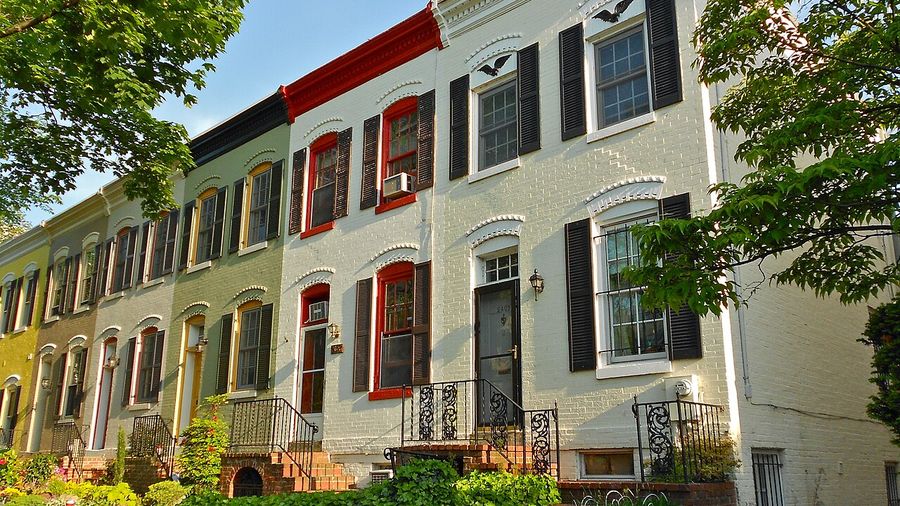
Many DSCR lenders look for 20% to 25% down on a Washington, DC rental purchase, which equals a maximum loan-to-value (LTV) of roughly 75% to 80%. Some deals require 30% or more.
In practice, the down payment is the gap between the price and the maximum loan amount. If the appraisal comes in below the contract price, lenders usually base LTV on the lower figure, so the cash you need rises.
The exact figure depends on the property, the ratio, and the borrower. A strong rent-to-payment ratio and solid credit often support the lower end of the range, while thinner cash flow usually pushes the down payment higher.
These are typical industry ranges, not published terms. Request a term sheet to see the exact down payment on your property.
Lenders adjust leverage based on risk. The factors that move the down payment most often include:
Our DSCR ratio guide for Washington, DC shows how the ratio itself is calculated. On a DC condo, the association’s budget and reserves can also affect eligibility.
Here is how leverage changes the math on a $600,000 Petworth rowhouse renting for $3,800 per month.
A larger down payment lowers the monthly payment and raises the ratio, which can improve pricing. These figures are illustrative only, since actual payments depend on rate, taxes, and insurance.
Total cash to close will be higher than the down payment alone once reserves and closing costs are added. Plug in your own figures with our DSCR loan calculator.
Cash to close usually includes more than the down payment. Plan for:
For example, on a property with PITIA of $3,200, six months of reserves equals $19,200 on top of the down payment.
Confirm current DC tax rates and allocations with your settlement attorney or CPA.
Yes, investors can reduce cash needed in a few ways, though there is no zero-down DSCR option for investment property. Common approaches include:
If you are buying through an entity, see our guide to DSCR loans for LLCs in Washington, DC.
Conventional investment property loans can sometimes require a similar down payment, but they verify personal income, debt-to-income ratios, and tax returns. DSCR loans skip that paperwork and qualify the property on rent. Many DSCR lenders can use a lease or an appraiser’s market rent estimate from day one, rather than waiting for rental income to appear on a tax return.
That tradeoff makes DSCR financing a strong fit for self-employed investors and anyone building rental property portfolio financing in Washington, DC. Note that DSCR loans are only for non-owner-occupied investment property, never a primary residence.
Tell us about the property and the financing you need. We’ll respond with next steps.
DSCR Loans Direct serves Washington, DC investors from our office in Waldorf, MD, and tailors leverage to each property. Call (866) 791-4411 or start with our long-term rental loans or DSCR loans to request a term sheet.
Questions
The minimum down payment for a DSCR loan in Washington, DC is commonly around 20% of the purchase price, which equals an 80% loan-to-value. Many lenders set 25% as a more typical starting point, and some deals require 30% or more based on credit, the property type, and the DSCR. These are typical industry ranges rather than fixed rules, so request a term sheet to learn the exact down payment for your specific rental.
A DSCR loan with only 10% down is rare in Washington, DC, because DSCR loans finance non-owner-occupied investment properties, which lenders view as higher risk than primary homes. Low down payment programs are typically reserved for owner-occupied mortgages. Investors who want to put less cash into a deal often use a value-add strategy, such as rehab financing followed by a refinance, or tap equity from another rental with a cash-out refinance.
Yes, a higher down payment usually improves your DSCR because a smaller loan lowers the monthly principal and interest. For example, a rental earning $3,800 per month with a $3,450 payment has a 1.10 ratio, while the same rental with a $3,200 payment has a 1.19 ratio. A stronger ratio can lead to better pricing and terms, so some investors put more down on purpose when rent is tight relative to the purchase price.
Many DSCR lenders commonly look for about six months of PITIA in reserves after closing, though requirements range from a few months to a year depending on the loan and borrower profile. Reserves can usually sit in checking, savings, or brokerage accounts, and some lenders accept retirement funds at a discount. Lenders may require more reserves if you own several financed properties, so ask for exact figures when you request a quote.
In Washington, DC, local custom commonly has the buyer pay the recordation tax and the seller pay the transfer tax, but the purchase contract controls and the split can be negotiated. These taxes are calculated as a percentage of the price and can add a meaningful amount to cash needed at closing. Rates change from time to time, so confirm the current rates and your allocation with your DC settlement attorney or CPA before you finalize your budget.
Some DSCR lenders allow gift funds for part of the down payment, while others require the investor to show their own seasoned funds. Because DSCR loans are business-purpose loans, policies differ more than on traditional home mortgages. If gift funds are allowed, expect a signed gift letter and documentation of the transfer. Many investors instead bring partners into an LLC, which lets several people contribute capital as owners rather than as gift givers.
It often is. Many DSCR lenders adjust leverage by property type, so a condo, a 2-4 unit building, or a larger multifamily asset may require a different down payment than a single-family rowhouse. Condos may also face project review on the association’s finances and owner-occupancy mix. Buildings with five or more units typically fall under commercial underwriting with terms that vary widely, so discuss the specific property with a lender before making an offer.
Yes, many Washington, DC investors use a DSCR cash-out refinance on an existing rental to fund the down payment on their next purchase. The refinance replaces the current loan with a larger one based on the property’s appraised value and rent, and the difference comes to you as cash. Lenders typically cap cash-out leverage lower than purchase leverage and may require a minimum ownership period, so confirm seasoning rules before planning the next acquisition.
Yes, a refinance uses equity instead of a down payment, and lenders measure it as loan-to-value against the appraised value. A rate-and-term refinance often allows leverage similar to a purchase, while a cash-out refinance is commonly capped lower, so you keep more equity in the property. Many lenders also require a minimum period of ownership before allowing cash out. These are typical industry ranges, so request a term sheet to see the exact leverage available on your Washington, DC rental.
Ready When You Are
Tell us about the property and the financing you need — we’ll respond with next steps.
Call (866) 791-4411The same qualifying questions we use for an initial funding review, one step at a time.