
DSCR Ratio
Step-by-step DSCR math with Brookland and Navy Yard examples, and how to raise a thin ratio.
Read the guideMultifamily
Multifamily DSCR loans in Washington, DC qualify a building on its combined rental income compared with the monthly payment, not on the investor’s personal income. Lenders also review leases, rent stabilization status, and TOPA history. DSCR Loans Direct finances 2-4 unit rentals across the District and discusses larger buildings directly. Review multi-family loans and the DC DSCR ratio guide to estimate qualification.
Or call (866) 791-4411 — speak with a lending expert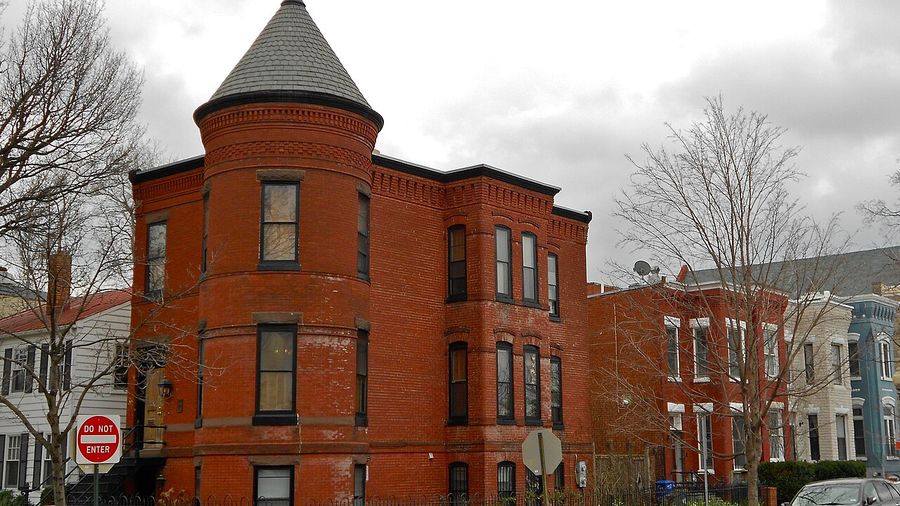
A multifamily DSCR loan qualifies a DC building by dividing its total monthly rent by its total monthly PITIA. If the building’s rent comfortably covers the payment, the deal can work without W-2s or personal tax returns. Approval also does not hinge on your debt-to-income ratio, which helps investors who already own several rentals.
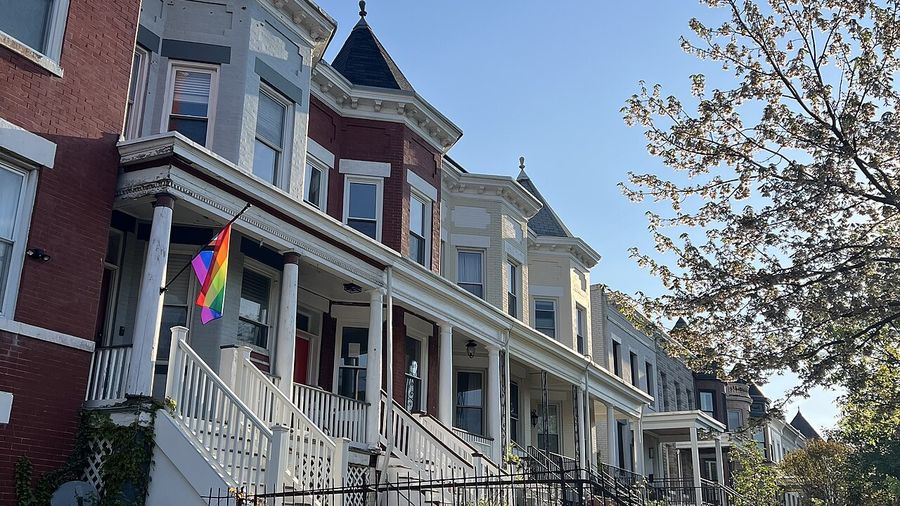
These loans finance non-owner-occupied rentals only. Converted rowhouses with two to four units are common in Columbia Heights, Petworth, Shaw, and Brookland.
Lenders look at the building as a whole, so a strong unit can offset a weaker one, but each unit’s rent must be supported by a lease or the appraiser’s market rent estimate.
Our multi-family loan program focuses on 2-4 unit properties, which lenders generally underwrite as 1-4 unit investment property using DSCR-style guidelines. Lenders typically rely on an appraisal with comparable sales and a market rent analysis for each unit.
Buildings with five or more units are typically underwritten as commercial real estate, with more weight on net operating income, operating statements, and rent rolls. Terms for 5+ unit financing vary widely by building and should be discussed directly with our team before you make an offer. Larger DC buildings can also carry additional tenant and affordability rules, so legal review matters even more at that size.
Consider a four-unit building in Columbia Heights with these rents:
Total rent is $8,000 per month. If projected PITIA is $6,500, the DSCR is $8,000 / $6,500 = 1.23.
If a lender applies a 5% vacancy factor, qualifying rent drops to $7,600, and the ratio becomes $7,600 / $6,500 = 1.17.
Many lenders look for ratios around 1.0 to 1.25 on 2-4 unit properties, sometimes higher for multifamily, and may apply a vacancy factor. These are typical industry ranges, not quoted terms. Test your own rents with the DSCR loan calculator.
Beyond the ratio, lenders want evidence that the income is real and durable. Multifamily underwriting usually includes:
Many lenders ask for more down on multifamily than on single-family homes. Our guide to the DSCR loan down payment in Washington, DC covers typical ranges.
DC rent stabilization can cap rent growth, so lenders and investors need to know whether a building is covered. The program generally applies to rental units in buildings constructed before 1976, with exemptions for newer construction, subsidized units, and certain small landlords who are natural persons owning four or fewer units.
On covered units, annual increases are limited by a formula tied to inflation. That means today’s in-place rents, not projected market rents, often drive the DSCR. Review the building’s registration or claim of exemption on file with the Rental Accommodations Division. If a building is exempt, keep that filing current, since lenders and future buyers will ask for it.
The Tenant Opportunity to Purchase Act gives tenants in occupied DC rental buildings the right to receive an offer of sale and, in many cases, to match or assign a purchase contract. Single-family homes have been largely exempt since 2018, but 2-4 unit and larger buildings remain subject to TOPA procedures. In larger buildings, tenant associations often play a central role.
Plan for longer timelines, ask early for copies of the seller’s TOPA notices and any tenant responses, and confirm compliance with a DC attorney. Investors buying value-add buildings sometimes use bridge financing first, then refinance with an investor refinance loan. This is general information, not legal advice.
Tell us about the property and the financing you need. We’ll respond with next steps.
DSCR Loans Direct serves Washington, DC investors from our office in Waldorf, MD. Call (866) 791-4411 or start with our multi-family loans for 2-4 unit properties. First-time buyers can compare DSCR loan requirements in Washington, DC, and growing investors can read about rental property portfolio financing in Washington, DC.
Questions
Many lenders look for a DSCR of roughly 1.0 to 1.25 on 2-4 unit properties in Washington, DC, and some prefer higher ratios on multifamily because a vacancy affects a larger share of income. Lenders may also apply a vacancy or expense factor when calculating qualifying rent. Requirements vary with credit, leverage, and the building’s condition, so request a term sheet to see exactly what ratio your specific property needs to qualify.
Financing is available for buildings with five or more units, but it typically follows commercial underwriting rather than standard 1-4 unit DSCR guidelines. Lenders put more weight on net operating income, historical operating statements, and the condition of the building. Down payments, rates, and terms vary widely. DSCR Loans Direct discusses 5+ unit requests directly, so share the rent roll, operating history, and purchase details early to start that conversation and get realistic terms.
Yes, TOPA generally applies to occupied 2-4 unit buildings in Washington, DC. The 2018 reform exempted most single-family homes, but tenants in multi-unit buildings typically keep their rights to receive an offer of sale and to pursue a purchase within set timelines. The rules differ by building size and can add weeks or months to a closing. Always confirm TOPA compliance with a DC attorney before relying on a closing date.
Rent stabilization can limit how quickly rents rise, so lenders usually qualify a covered building on its current in-place rents rather than on higher market estimates. That can lower the DSCR and the supportable loan amount compared with an exempt property. Investors should confirm whether each unit is covered or exempt through the Rental Accommodations Division filings and factor regulated rent increases into long-term projections. Confirm the details with a DC attorney.
No. DSCR loans finance non-owner-occupied investment property only, so you cannot live in any unit of a building financed with a DSCR loan. DSCR Loans Direct finances non-owner-occupied investment properties only, so buyers planning to live in one of the units would need a different type of financing. If you later move out and rent every unit, you may be able to refinance into a DSCR loan at that point, based on the building’s full rental income and current leases.
Many DSCR lenders commonly look for 25% or more down on 2-4 unit multifamily purchases, which is often a bit higher than on single-family rentals. The exact amount depends on the DSCR, credit, property condition, and the investor’s experience. Buildings with five or more units typically fall under commercial terms that vary widely. These are typical industry ranges, so request a quote for exact leverage on your Washington, DC building.
Lenders often count vacant units using market rent from the appraiser’s rent schedule, though some apply a discount or require a minimum number of leased units. A building with several vacancies may need a larger down payment, extra reserves, or a short-term bridge loan until it is stabilized. Once the units are leased and licensed, investors frequently refinance into a long-term DSCR loan based on the building’s actual rent roll.
Small 2-4 unit buildings, many of them converted rowhouses, are common in Columbia Heights, Petworth, Shaw, Brookland, and parts of Capitol Hill and Anacostia. These areas offer a mix of older stock, which may be subject to rent stabilization, and newer conversions that may be exempt. Each building’s age, licensing history, and tenant situation matter more than the neighborhood alone, so review rent stabilization status and TOPA history before making an offer.
Often the better path is to buy and renovate with short-term financing first, then refinance into a DSCR loan once the units are repaired and leased. DSCR lenders want in-place or supportable market rent, and a building with major vacancies or deferred maintenance may not qualify at purchase. A bridge loan can fund the acquisition and improvements. After stabilization, licensing, and leasing, a long-term DSCR refinance can replace the bridge loan based on the new rent roll.
Ready When You Are
Tell us about the property and the financing you need — we’ll respond with next steps.
Call (866) 791-4411The same qualifying questions we use for an initial funding review, one step at a time.