
DSCR Loans for LLCs
Entity documents, personal guaranty rules, and the DC rent stabilization and TOPA points LLC owners miss.
Read the guideOut-of-State Investors
DSCR loans for out-of-state investors let you finance a Washington, DC rental based on the property’s rent instead of your local income or tax returns. Plan for DC licensing, a registered agent, and local property management. DSCR Loans Direct, based in nearby Waldorf, MD, gives remote investors trusted local expertise. Start with DSCR loans and DC DSCR loan requirements, then request a term sheet.
Or call (866) 791-4411 — speak with a lending expert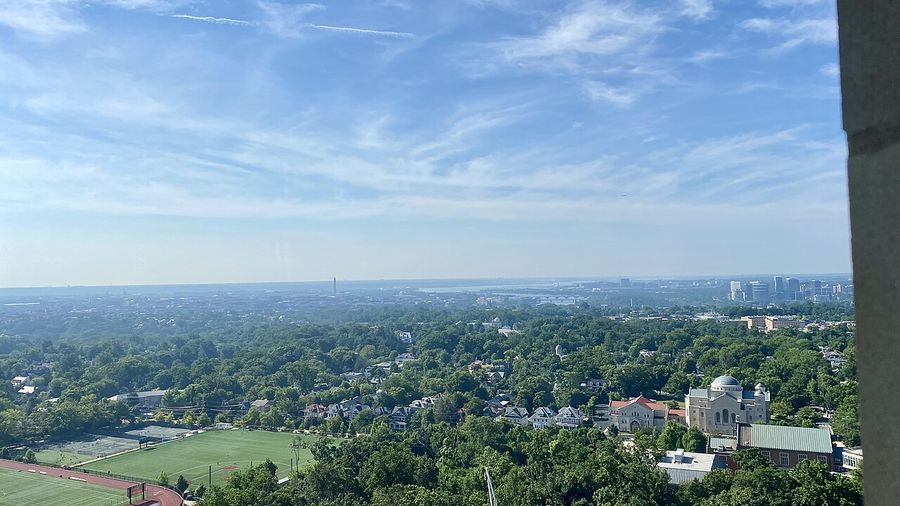
Yes. Out-of-state investors can finance DC rental property with a DSCR loan because qualification is based on the property’s rental income, not on where the borrower lives or works. Investors who own rentals in several states can also qualify, as long as each property’s numbers work.
The lender compares market or lease rent with the monthly PITIA. Example: a Navy Yard condo renting for $3,200 with a $2,700 payment has a 1.19 DSCR. Your home state does not change that math.
Lenders typically use the lease if the property is already rented, or an appraiser’s market rent schedule if it is vacant or being purchased.
DSCR loans remove the hardest parts of financing from a distance:
Washington, DC draws investors from across the country because of steady demand from government, institutional, and university employers. Because you cannot easily tour every property, a lender that knows DC rents can flag unrealistic projections early.
Owning a DC rental from a distance means meeting local requirements before a tenant moves in:
Skipping these steps can lead to penalties and complications collecting rent.
Many remote owners hire a local property manager to handle these items. Confirm current requirements with a DC attorney.
Most remote investors buy through an LLC. If your entity was formed in another state, DC generally expects a foreign registration before it does business in the District. Our guide to DSCR loans for LLCs in Washington, DC covers the documents lenders request.
DC also has its own tax treatment for rental income earned by nonresidents and entities. This is not tax advice, so review it with a CPA familiar with DC. Keep the LLC’s name and EIN consistent across the contract, insurance, and licensing filings to avoid delays.
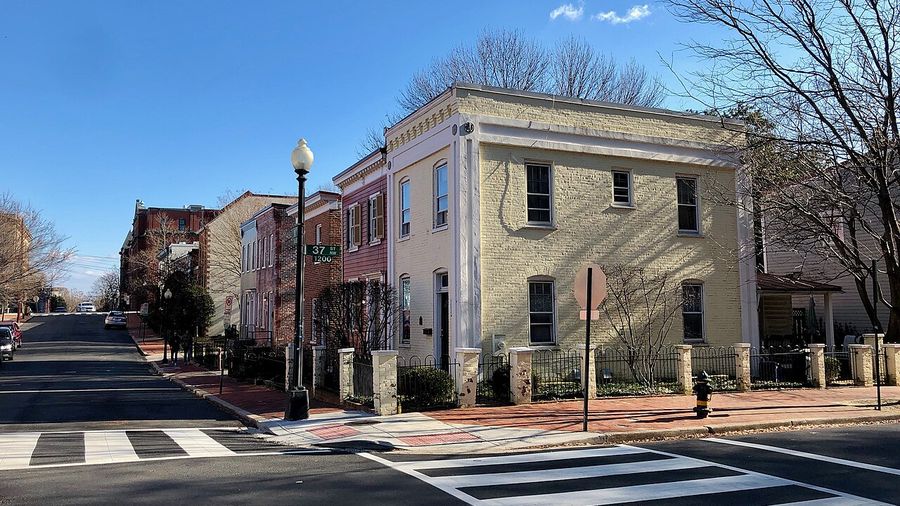
Long-term leases are the practical choice for out-of-state investors in the District. DC’s short-term rental law generally limits short-term rentals to a host’s primary residence and requires a license, so a non-owner-occupied Airbnb is heavily restricted. Read more in our guide to Airbnb DSCR loans in Washington, DC.
For 12-month leases in neighborhoods such as Capitol Hill, NoMa, and Brookland, our long-term rental loans are built for steady cash flow. Stable, documented lease income also helps when you refinance later with an investor refinance loan.
Most of the work happens by phone and email, and the process usually follows these steps:
Budget for the down payment, reserves, and DC recordation and transfer taxes. Our guide to the DSCR loan down payment in Washington, DC explains typical ranges.
Tell us about the property and the financing you need. We’ll respond with next steps.
DSCR Loans Direct serves Washington, DC investors from our office in Waldorf, MD, with a team that brings decades of hands-on real estate investing experience. Call (866) 791-4411 or visit our private money lender homepage to request a term sheet for your DC rental. Whether you live across the country or a few states away, the process starts with a property address and expected rent.
Questions
No, you do not need to live in Washington, DC to get a DSCR loan on a rental there. DSCR loans qualify the property based on its rent compared with the monthly payment, so the borrower’s home state does not affect the core calculation. Lenders still review credit, reserves, and entity documents. Because DSCR loans are only for non-owner-occupied property, out-of-state investors are actually a natural fit for this type of financing.
DC generally requires nonresident owners of rental housing to appoint and maintain a registered agent in the District as part of rental licensing. The agent accepts legal notices on the owner’s behalf. LLCs formed outside DC also typically need a registered agent when they file a foreign registration. Many owners use a commercial registered agent service or their property manager. Confirm the current rules with the licensing office or a DC attorney before you lease.
In many cases, yes. Title and settlement companies that close DC transactions often coordinate remote signing with a mobile notary or approved electronic process, so out-of-state investors may not need to travel. Some documents, such as the deed or the deed of trust, have specific signing and notarization requirements. Ask your settlement company early about its remote closing options so that timelines and courier arrangements are set well before the closing date.
Most out-of-state investors benefit from hiring a local property manager in Washington, DC. A manager can handle tenant screening, rent collection, maintenance, inspections, and the licensing paperwork that DC requires. Lenders do not always require professional management, but it makes reserves and cash flow more predictable. Factor the management fee into your expense projections, since it reduces net income even though it does not change the PITIA used in DSCR calculations.
Out-of-state investors should commonly expect a down payment of about 20% to 25% on a Washington, DC DSCR purchase, with higher amounts for multifamily, lower ratios, or limited credit history. Your home state does not usually change the leverage. Plan for reserves, often several months of PITIA, plus DC recordation and transfer taxes and closing costs. These are typical industry ranges, so request a quote to learn the exact terms for your property.
Some DSCR lenders work with foreign national investors, though requirements usually differ from those for U.S. residents. Common differences include larger down payments, higher reserves, and alternative credit documentation when a U.S. credit history is limited. Policies vary widely from lender to lender. If you live outside the United States and want to buy a DC rental, contact the lender directly to confirm eligibility before making an offer on a property.
Generally, no. DC’s short-term rental law limits short-term rentals to a host’s primary residence and requires a short-term rental license, which an out-of-state owner of an investment property usually cannot satisfy. That makes long-term leases the standard strategy for remote investors in the District. If short-term rental income is your goal, nearby Maryland and Virginia jurisdictions may be options, but each has its own local rules that you should confirm first.
Out-of-state investors often look at Capitol Hill, Navy Yard, H Street and NoMa, Petworth, Columbia Heights, Brookland, Shaw, and Anacostia. Each area offers a different balance of purchase price, rent, and property type, from condos to rowhouses to small multifamily buildings. Run the DSCR on each property rather than relying on neighborhood averages, and check whether older buildings fall under rent stabilization, since that can limit future rent increases and long-term cash flow.
Out-of-state investors can confirm market rent by reviewing comparable listings, asking a local property manager for a rent opinion, and checking the appraiser’s rent schedule ordered during underwriting. Lenders rely on the existing lease or that appraiser estimate when calculating DSCR, so an inflated projection will not carry the loan. Check whether the property falls under rent stabilization, since covered units have limits on annual increases that can affect future cash flow.
Ready When You Are
Tell us about the property and the financing you need — we’ll respond with next steps.
Call (866) 791-4411The same qualifying questions we use for an initial funding review, one step at a time.